
Hard Water Stain Removal for Windows in Boise

These are starting points, not fixed requirements. Your ideal schedule depends on where your home is located and what reaches the glass.
For more guidance, read our article on
how often you should get your windows washed in Boise’s climate.
Protect Your Investment with Complete Window Care
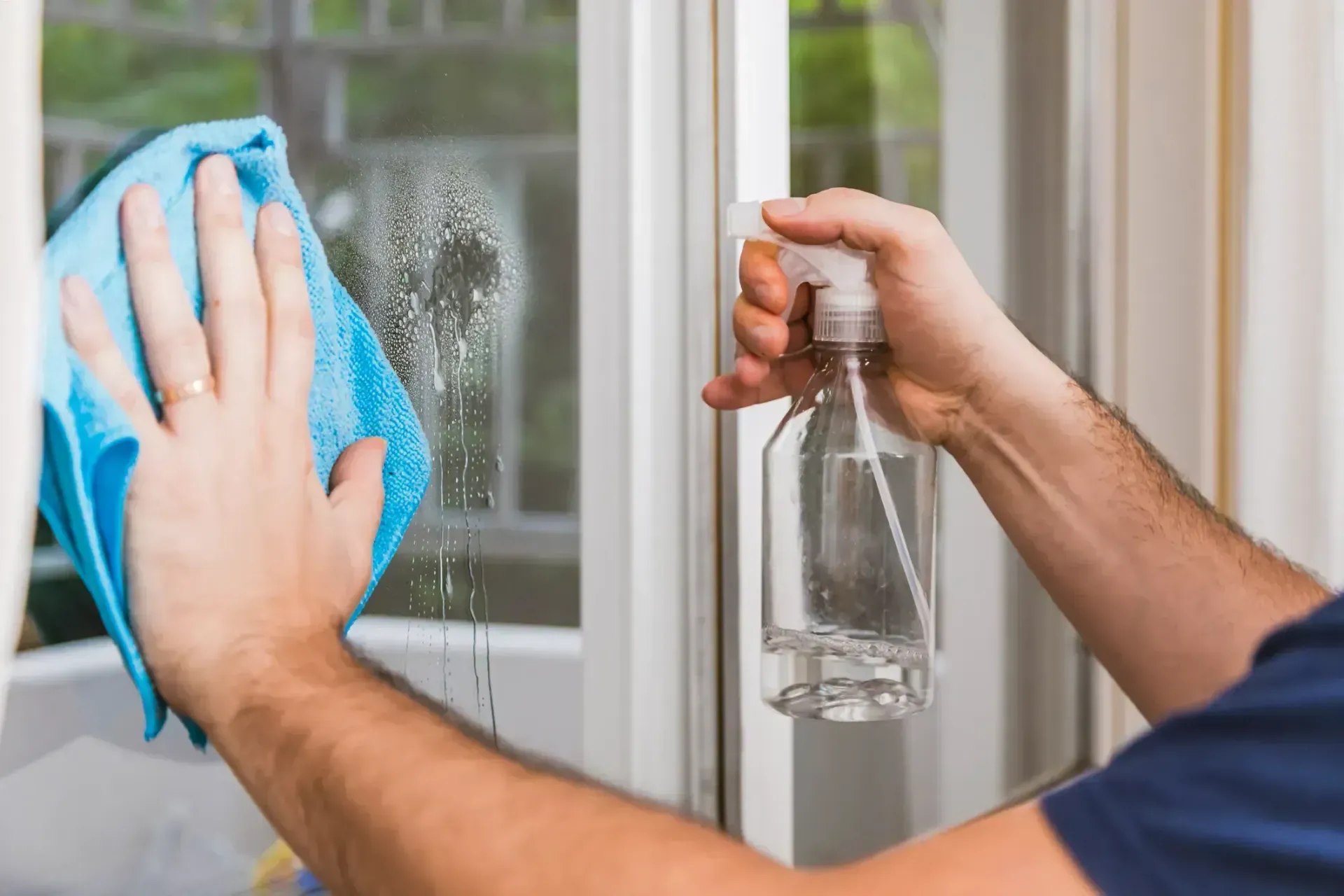
Hard water stain removal for windows can often improve cloudy or spotted glass, especially when mineral deposits are addressed early. However, not every white mark is removable, so the first step is identifying whether you are dealing with surface buildup, damaged glass, or a worn coating.
At Raw Window Cleaning, we help homeowners and property managers in Boise, Meridian, and Eagle assess mineral-spotted glass and understand what results are realistic.
What Causes Hard Water Spots on Boise-Area Windows?
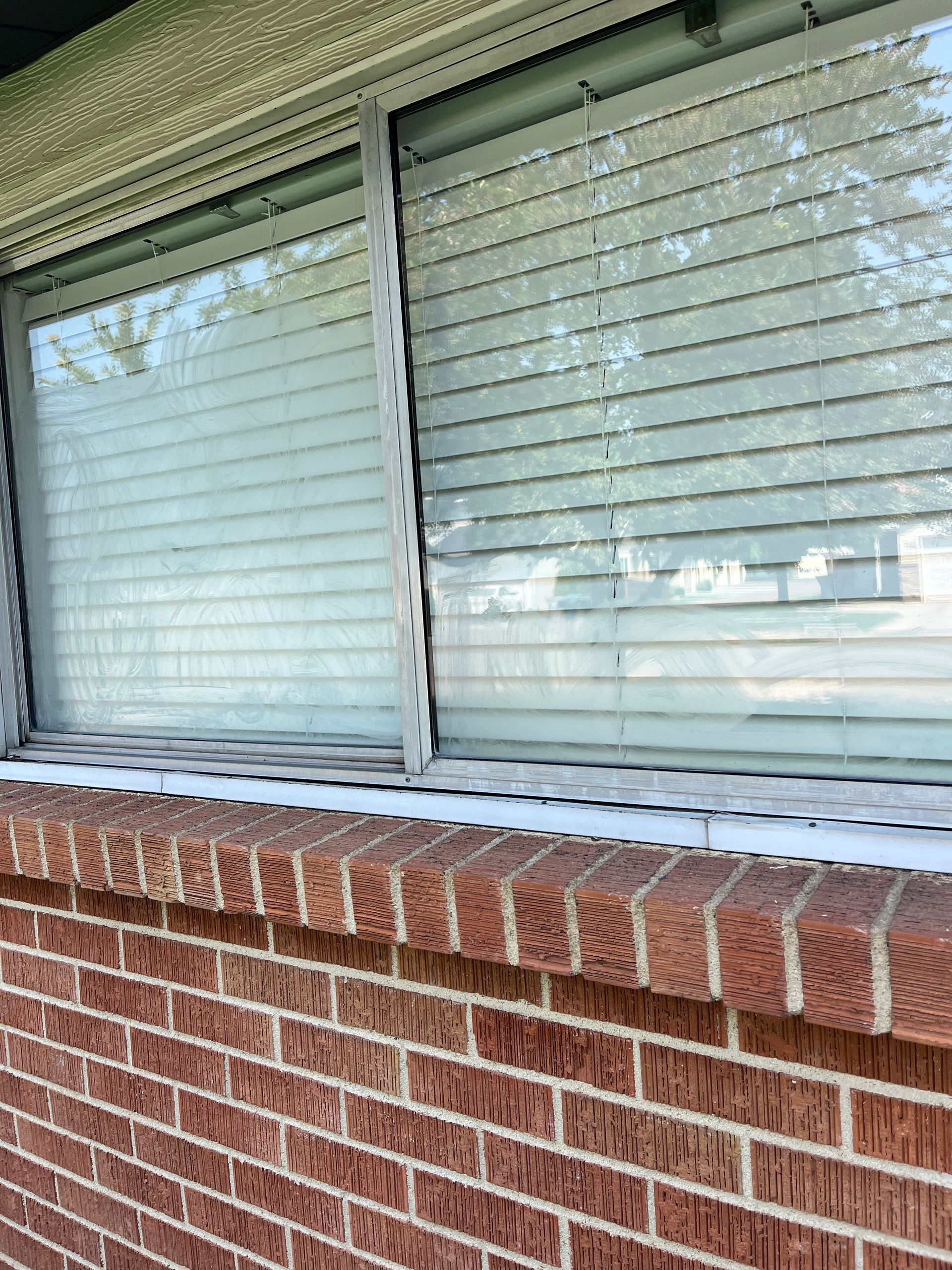
Hard water spots form when water droplets dry and leave dissolved minerals behind. Sprinkler overspray is a common cause because the same windows may be sprayed and dried repeatedly throughout the irrigation season.
Water hardness varies by neighborhood and water source, so one hardness level does not apply to every Boise-area property. As a nearby Treasure Valley example, the City of Meridian’s 2025 Water Quality Report lists water hardness from 6.97 to 10.53 grains per gallon across its service zones.
The U.S. Geological Survey’s water hardness guide explains that hard water contains dissolved calcium and magnesium that can leave film or spots on glass after the water evaporates.
You may notice:
| What You See | Possible Cause | Best Next Step |
|---|---|---|
| White rings or dots | Dried sprinkler droplets | Correct the overspray and clean the glass early |
| Cloudy film | Mineral buildup or cleaning residue | Have a small area tested |
| Rough patches | Heavier surface deposits | Avoid aggressive scraping |
| Haze that does not improve | Possible coating or glass damage | Request a professional inspection |
Mineral deposits are only one reason local glass becomes cloudy. Learn more about
why Boise windows get dirty so fast, including the effects of pollen, dust, smoke, and dirty screens.
Can Hard Water Stains Be Removed From Windows?
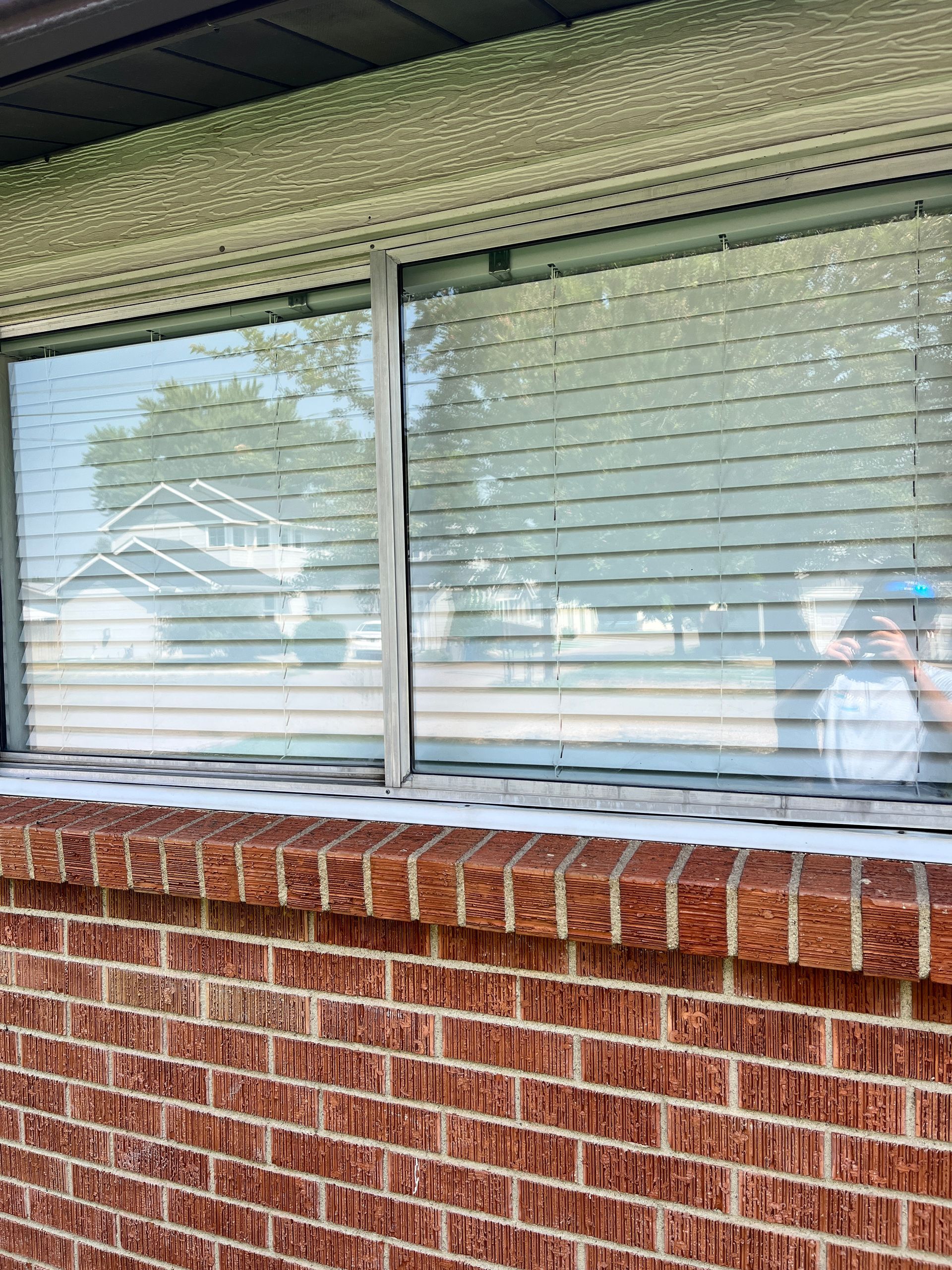
Many surface-level hard water stains can be removed or noticeably improved. The result depends on how long the deposits have been present, the type of glass, the severity of the buildup, and whether the glass or its coating has already been damaged.
Here is a simple way to understand the condition of the glass:
- Fresh Surface Spots: These are often the easiest to remove.
- Stubborn Mineral Buildup: These deposits may require a separate restoration treatment beyond routine window washing.
- Surface or Coating Damage: Some haze or marks may remain even after removable minerals are gone.
The stain-versus-damage distinction matters. A small test area is more reliable than assuming every cloudy pane can be fully restored.
Why Vinegar and Store-Bought Cleaners May Not Be Enough
Vinegar may help soften light, recent mineral residue, but it may not remove deposits that have accumulated through repeated wet-and-dry cycles. Standard glass cleaner is mainly designed for fingerprints, dirt, and light film, but not for heavy mineral buildup.
You should also be careful with abrasive pads, powders, razor blades, and strong chemicals. The wrong product or tool can scratch glass or harm certain coatings. Damage may not become obvious until the window is rinsed and completely dry.
For a small DIY test:
- Work on cool glass out of direct sunlight.
- Use a soft, non-abrasive applicator.
- Test a small corner first.
- Rinse and dry the area completely.
- Stop if the glass scratches, changes appearance, or does not improve.
When you do not know the glass type, or the spotting covers a large area, professional testing is the safer option.
How Professional Hard Water Stain Removal Works
Professional hard water stain removal begins with an inspection and a small test area. The exact process should be adjusted to the glass type, coating, deposit severity, and surrounding frames or seals.
Our window cleaning service includes:
- Inspecting the Pane: The technician checks for coatings, scratches, seal problems, construction debris, and signs that the haze may not be removable mineral buildup.
- Testing a Small Area: A test helps determine which method is appropriate and what level of improvement is realistic.
- Treating the Deposits: Glass-compatible products and controlled techniques are used based on the condition of the pane.
- Rinsing Away Residue: Purified water may be used during the final rinse to reduce mineral residue.
- Completing a Final Inspection: The dry glass is checked for remaining deposits, scratches, coating damage, or other limitations.
If testing indicates permanent surface or coating damage, the technician may recommend accepting the remaining appearance or consulting a glass company about replacement.
Hard water treatment is different from routine window washing and may be priced separately. Raw Window Cleaning’s
residential window washing services include hard water stain removal as an available service, along with cleaning for interior and exterior glass, screens, tracks, frames, sills, skylights, and hard-to-reach windows.
How to Keep Mineral Spots From Returning
The best way to prevent recurring hard water spots is to stop mineral-rich water from repeatedly drying on the glass. Restoration will not provide a lasting improvement if a sprinkler continues spraying the same window.
Use this prevention checklist:
- Adjust sprinkler heads so they do not reach windows.
- Recheck irrigation alignment when watering schedules change.
- Clean new water spots before several layers build up.
- Avoid washing hot glass in direct afternoon sunlight.
- Include screens, frames, tracks, and sills during routine cleaning.
- Use purified or distilled water when mineral spotting is a recurring DIY problem.
- Schedule service based on your property’s exposure rather than waiting for heavy haze.
Our guide to how often Boise windows should be washed provides helpful starting schedules for homes exposed to sprinklers, trees, road dust, and seasonal smoke.
Before your appointment, use this
residential window washing checklist to prepare access and identify problem areas.
What About Storefronts and Commercial Properties?
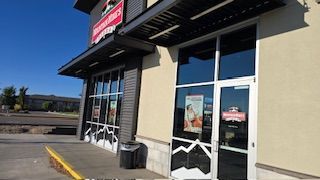
Commercial glass may need faster attention because cloudy windows can affect storefront visibility and the appearance of offices, restaurants, rental properties, and other customer-facing buildings. Repeated irrigation overspray can also cause the same mineral buildup found on residential windows.
Raw Window Cleaning provides commercial window washing in Boise with scheduling options intended to reduce disruption to employees and customers.
Property managers and business owners can also review what to look for before
hiring a commercial window washing company.

FAQs About Windows Hard Water Stain Removal
Can all hard water stains be removed from windows?
No. Many surface deposits can be removed or improved, but damage to the glass or its coating may remain. A small test area is the best way to establish realistic expectations.
How long does hard water stain removal take?
The time depends on the number of panes, the severity of the deposits, the glass type, and how easily the windows can be accessed. A technician can provide a more accurate estimate after inspecting the property.
Will hard water stains return after treatment?
They can return if sprinkler overspray or another mineral-rich water source continues reaching the glass. Correcting the source and following a regular cleaning schedule are essential for preventing new buildup.
How often should Boise homeowners clean their windows?
A 3-to-6-month schedule can be a useful starting point. However, homes exposed to sprinklers, heavy tree coverage, construction dust, smoke, or busy roads may need more frequent service.
Is hard water stain removal safe for every type of glass?
The treatment must be matched to the pane. Coated, tinted, tempered, specialty, and older glass may require different products or techniques, which is why inspection and testing should come first.
When should a window be replaced instead of restored?
Replacement may be worth discussing when testing shows permanent scratches, damaged coatings, seal failure, or changes to the glass surface that cleaning cannot improve. A window cleaning technician can identify visible limitations, but a glass company should evaluate replacement options.
Schedule a Hard Water Stain Assessment
If your windows have white spots, cloudy patches, or a rough mineral film, address the water source and have the glass inspected before using aggressive DIY methods. Early inspection can help determine whether the deposits are removable and prevent additional layers from accumulating.
Call
Raw Window Cleaning at
(208) 995-9869 to request
hard water stain removal for windows in Boise, Meridian, Eagle, or the surrounding Treasure Valley.